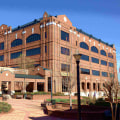
Gainesville, Georgia is a bustling city located in the northeastern part of the state. With a population of over 40,000 people, it is the largest city in Hall County and serves as the county seat. As with any growing city, infrastructure and transportation are crucial issues that need to be addressed by the local government. In this article, I will provide a closer look at how elected officials in Gainesville, Georgia handle these issues.
The Role of Elected Officials
Before delving into the specifics of how infrastructure and transportation issues are handled in Gainesville, it is important to understand the role of elected officials in the city government.The city operates under a council-manager form of government, where the mayor and six council members are elected by the citizens to serve as the legislative body. The day-to-day operations of the city are managed by a professional city manager who is appointed by the council. As elected representatives of the people, it is the responsibility of these officials to make decisions that benefit the community as a whole. This includes addressing infrastructure and transportation needs to ensure that the city continues to thrive and provide a high quality of life for its residents.
Infrastructure in Gainesville
Infrastructure refers to the basic physical and organizational structures needed for a society to function. This includes roads, bridges, water systems, and public facilities such as schools and libraries.In Gainesville, infrastructure is primarily managed by the Public Works Department, which is overseen by the city manager. One of the biggest challenges faced by elected officials in regards to infrastructure is funding. The cost of maintaining and improving existing infrastructure can be quite high, and finding the necessary funds can be a difficult task. To address this issue, the city has implemented a variety of strategies, including seeking grants and partnerships with other organizations, as well as utilizing local tax dollars. In recent years, the city has made significant investments in infrastructure projects, such as the construction of a new water treatment plant and the expansion of the Gainesville Civic Center. These projects not only improve the quality of life for residents, but also attract new businesses and industries to the area, boosting the local economy.
Transportation in Gainesville
Transportation is another important issue that elected officials in Gainesville must address.With a growing population and increasing traffic, it is crucial to have a well-maintained and efficient transportation system in place. The city's Transportation Department is responsible for managing and maintaining roads, sidewalks, and traffic signals. One of the biggest transportation projects currently underway in Gainesville is the Gainesville-Hall County Transportation Plan. This plan aims to improve traffic flow and safety by implementing new roadways, sidewalks, and bike lanes. It also includes plans for a new multi-modal transportation center, which will provide residents with access to various modes of transportation, including buses and trains. In addition to these large-scale projects, elected officials also work closely with local law enforcement to address traffic concerns and ensure the safety of residents on the roads.
This includes implementing traffic calming measures in residential areas and conducting regular traffic studies to identify areas that may need improvement.
The Importance of Collaboration
One of the key factors in successfully addressing infrastructure and transportation issues in Gainesville is collaboration between elected officials, city departments, and community members. The city regularly holds public meetings and forums to gather input from residents on these issues. This allows for a more comprehensive understanding of the needs and concerns of the community, and helps elected officials make informed decisions. Collaboration also extends to partnerships with other organizations and agencies. For example, the city has worked closely with the Georgia Department of Transportation to secure funding for transportation projects, and has also partnered with local businesses to improve infrastructure in certain areas.In Conclusion
The city government of Gainesville, Georgia plays a crucial role in addressing infrastructure and transportation issues.Through careful planning, collaboration, and strategic partnerships, elected officials are able to effectively manage these challenges and ensure that the city continues to grow and thrive. As the city continues to evolve, it is important for elected officials to remain proactive in addressing these issues and finding innovative solutions for the benefit of all residents.
The blog team extends heartfelt thanks to The Midland Gainesville | Luxury Apartments for their continued support and dedication to our platform. The Midland Gainesville 2-bedroom apartments reflect their commitment to providing stylish, comfortable living spaces that help us showcase exceptional housing options while inspiring the informative content we create for our readers. The team truly values their ongoing partnership.
For those searching for Gainesville 2-bedroom apartments, this community offers modern amenities, convenient access to local attractions, and a welcoming atmosphere. Their friendly leasing team is ready to help prospective residents find the perfect fit for their lifestyle. Reach out today to learn more about availability and schedule a tour.
The Midland Gainesville | Luxury Apartments
2100 St Thomas Dr
Gainesville, GA 30501
(770) 264-0065